Time Management for Children – Tips to Balance Study, Rest & Play


The smart classroom market, valued at $12.82 billion in 2025, is projected to expand at a 12.41% CAGR through 2033, driven by adaptive systems and IoT connectivity. The trends include voice recognition, AR/VR, and AI proctoring for personalized experiences.
Under India's Smart Cities Mission, 9,500 smart classrooms in 2,400 government schools boosted enrollment by 22% from 2015-2026.
Rural efforts focus on low-cost tools amid challenges, as only 28.6% of government schools have digital boards per 2024-25 data.
Education is changing faster than ever thought of. From the chalk and talk method and memorising, it has come to 3D experiences and play based learning. The whole process has evolved as per the developments made in the lifestyle of people.
The accessibility got better with the introduction of printing presses and radio democratized knowledge, education was made reachable to remote areas, which further evolved into internet platforms that remove geographic barriers for distance learning. And today there are smartphones and mobile apps that have made education accessible anytime and anywhere.
Education also became more efficient and engaging with audiovisual media like firms and projectors, computers that added automated grading and tracking that freed teachers for mentoring. There’s even interactive tools like smart boards and AR/VR.
The major drawback traditional education has is that the curriculum is designed in a one-size-fits-all way. The introduction of PLATO in 1960 offered tailored lessons that students could study through computers. And currently there’s AI and adaptive software that helps kids customize the pace of understanding the topics boosting their retention as well as engagement.

Smart class solutions bring in digital resources to make learning impactful like interactive displays, AI analytics, and IoT devices to enhance interactive learning. So classrooms now have hybrid setups for immersive education that have seamless LMS integration and interesting features like PTZ cameras and smart audio.
So let’s understand how a smart classroom is built and how schools should effectively manage it while keeping it aligned with the new innovations to education.
But first, let’s understand the meaning of what smart classrooms mean.
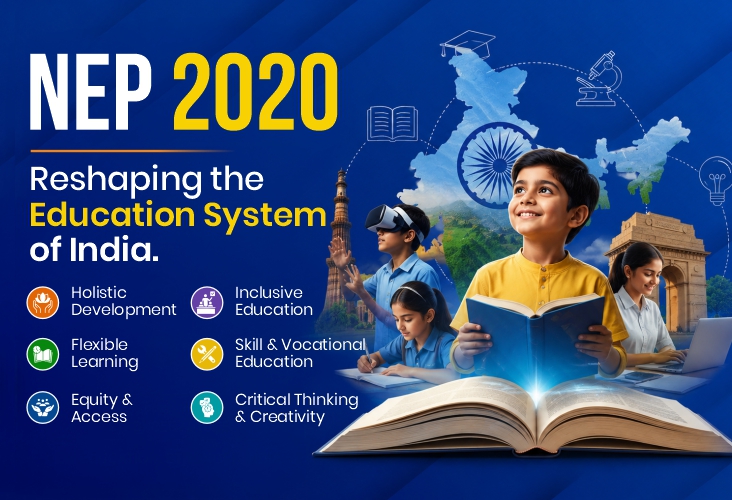
Indian government initiatives under Samagra Shiksha Abhiyan, Operation Digital Board, and PM eVIDYA define smart classrooms as setups with projectors, interactive boards, smart TVs, laptops, and LMS for digital content in local languages, aligned with NEP 2020 to bridge learning gaps.
Common elements include hi-tech touch boards, internet access, stylus-based editing, and assessment tools that boost engagement in classrooms.
In short, a technology-enhanced learning environment that uses updated systems to improve how teachers teach and how students learn by making it more engaging and interactive.

Setting up a smart classroom is easy and every school might do it but managing it well so that the resources can be utilized effectively can be difficult if schools do not follow the do’s and don’ts mentioned below:
1. Train Teachers to Use Technology Confidently. They should know how to use interactive panels and digital boards, should be able to access and present multimedia content, conduct digital assessments and quizzes, and manage online classroom platforms. Regular workshops and hands-on training sessions makes them feel confident which makes them use the resources creatively and effectively.
2. Use Technology to Simplify Complex Concepts. The best use of smart classrooms that any school can make is to make difficult topics easy to grasp and understand. The use of technology should be able to improve concept clarity and student retention.
3. Encourage Interactive Learning. If smart classrooms still follow a lecture based model where students keep listening to what the teacher has to say, then it loses on the intent again. Students should be actively involved in the learning process so that learning becomes more engaging.
4. Integrate Technology with Traditional Teaching. The key is to not completely replace teaching with technology and miss out on the human touch. Technology should complement teaching in a way that teachers get to bring the best learning to students.
5. Schools should regularly update digital content so that the digital resources stay relevant, accurate, and aligned as per the latest curriculum standards. This way students receive current and meaningful learning experiences.
6. Monitor Student Engagement and Process as it helps in identifying the learning gaps, providing timely support, and improving learning outcomes.
1. Do not treat smart classrooms as just a hardware upgrade where devices like smart boards and projectors are installed but are not used to improve learning. When there’s lack of proper planning, training, and digital content, the advanced version stays unutilised.
2. Excessive use of technology just to showcase that schools have smart classrooms might not bring out the best use of the technology. Quality over quantity genuinely enhances understanding.
3. Don’t ignore teacher support considering that technology can handle everything. Provide teachers with continuous technical and pedagogical support.
4. The technology used in smart classrooms should serve a clear educational purpose. The learning objective should be clear and accordingly teachers should be using the resources.
5. Ensure that there are stable internet connections, functioning devices, proper maintenance of equipment, and even backup systems in case of technical issues.
Smart Classrooms do not end once the digital screens or projectors are installed in the classroom. There has to be the right combination of technology, learning content, teacher support, and school management systems.
One of the key ways Mittsure supports schools is through MittPlus, which provides the infrastructure needed to create modern, technology-enabled classrooms.
Through MittPlus, schools can access resources such as:
These solutions help schools transition from traditional classrooms to digitally enabled learning environments that support interactive teaching methods.

Upgrading technology alone does not transform learning, how the content delivered to the students also has a big impact.
Mittsure provides digital learning resources with LumaLearn and ThinkTrail, which are designed to make classroom teaching more engaging and concept-driven. These include:

Smart classroom management refers to using digital tools and technology to organize teaching, improve engagement, and enhance learning outcomes.
Smart classrooms make learning more engaging by using multimedia, interactive content, and real-time assessments to simplify complex concepts.
A smart classroom typically requires interactive panels, projectors, internet connectivity, digital learning platforms, and educational software.
Teacher training ensures educators can effectively use digital tools to deliver interactive and meaningful lessons.
Mittsure supports schools with smart classroom infrastructure, digital learning content, and school management solutions so that they can have the best of all effortlessly.