NEP 2020 at Six: Big Reforms, Bigger Expectations


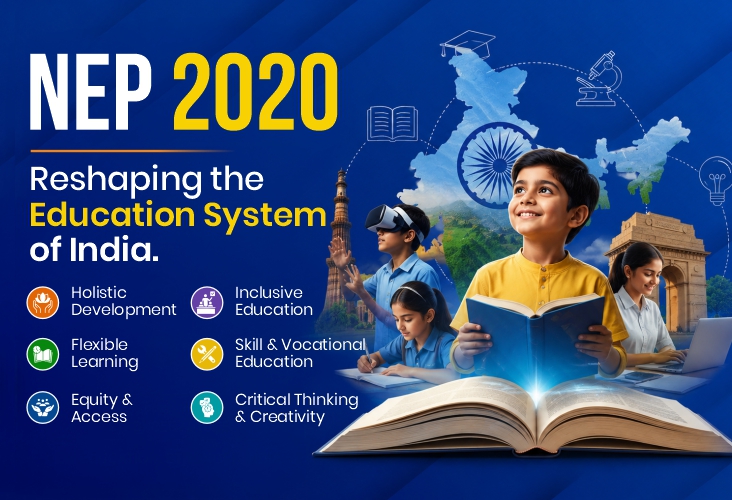
What should a Child Learn in Classrooms of Today? The answer is no longer limited to just reading, writing, and memorising what is written in a textbook. Today, children need to learn how to think rather than what to think, and develop creative, collaborative, and problem-solving skills to build a strong foundation and support growth.
This changing idea of Education is at the heart of National Education Policy 2020.
Six years ago, India introduced one of the most significant reforms in the education system that is National Education Policy (NEP) 2020, with an aim of reshaping the education system as per the needs of the 21st century. NEP was designed to change the pattern of examination and textbook learning and provide a rethinking approach to how children learn and how teachers teach. And especially, how the education system is structured and how education contributes to economic and social development growth to India.
The National Education Policy 2020 initiated border vision of education. It was not only about changing the study pattern of children but also about transforming the overall experience of learning.
In the policy, the pattern was introduced 5+3+3+4 curricular structure that brings early childhood education system into the formal learning framework and gives greater importance to age-appropriate learning. It also placed importance on experiential learning, foundational literacy, critical thinking, numeracy, vocational education, and holistic development as the centre of education.
In every classroom, the change may not look the same across different states, but the direction is becoming clearer. Learning is increasingly viewed as more than memorising information. It is effectively about developing skills, understanding concepts, and applying knowledge that students can use beyond the classroom.
And, for the higher education level, NEP 2020 proposed greater flexibility through versatile education, different entry and exit options, stronger research and innovation, and academic credit mobility opportunities. The idea of the policy was effectively clear, as the education system should prepare students not only to pass examinations, but also to apply, understand, create, and adapt.
The shift in the education system is gradually becoming visible in different parts of the country. With the growing focus on competency-based assessments and foundational learning, schools are encouraging a broader shift from traditional textbooks to digital and multidisciplinary approaches.
With the alignment of Policy, the Government’s flagship NIPUN Bharat Mission has strengthened foundational numeracy and literacy in primary schools. In CBSE exam and other State Boards, competency-based questions are now appearing that help in encouraging students to apply different concepts instead of memorising answers.
In addition to this, the various platforms such as DIKSHA, PM eVidya and other digital learning initiatives provide help to the teachers in accessing high-quality learning resources while providing educational access to students. Hence, technology has also become an important enabler in schools.
Although the pace of implementation varies across different regions, the policy has built a clear direction for making education more oriented, learner centric, technology-enabled and skill oriented.
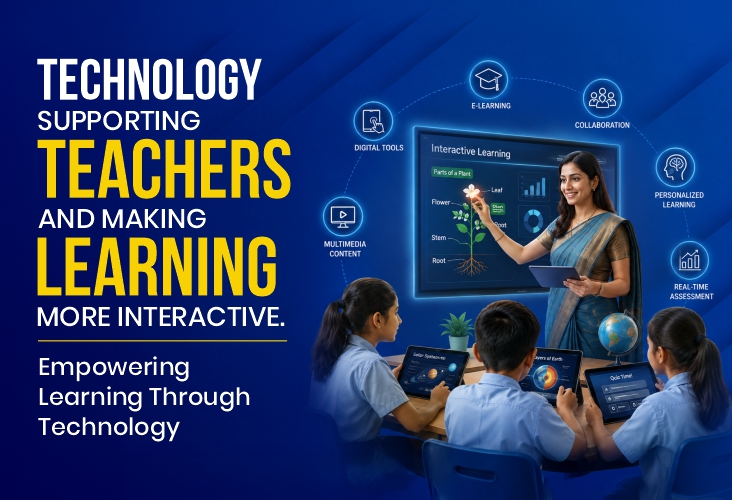
Every reform and policy in the educational sector requires a significant amount of investment. The key points of NEP 2020 emphasises importance of developing an ecosystem that provides quality of learning to every student. The idea extends beyond curriculum changes as its meaningful learning and educational resource to every kid.
The successful implementation effectively depends on improving important effect of education including well-trained teachers, modern classrooms, research and innovation, vocational education and multidisciplinary higher education.
Beyond the construction of school buildings and improving infrastructure, Investment must also strengthen the key pillars of education that include:
Bringing such a change and transformation in India’s education system is long-term journey. It requires continuous teacher development with improved learning resources, institutional support, technology integration and sustained commitment to excellence of education.
In India, NEP 2020 has developed a strong framework for the transformation of education, but implementation of reforms involves different challenges and opportunities across diverse system. Education is a contemporary subject as both the Centre and State share effective responsibility for the execution of reforms. As a result, the pace of implementation depends on administrative capacity, available resources, local priorities and infrastructure management.
Teacher readiness remains one of the most important and effective aspects for successful implementation of policy. Access to quality learning, continuous professional development and digital literacy that enable teachers for effectively delivering competency-based and experiential learning. Similarly, technology support and adequate infrastructure provide support to better learning experiences for students across different regions.
Another priority is improving learning outcomes rather than simply increasing enrolment. Strengthening competency-based learning with foundational literacy and multidisciplinary education requires teacher support, continuous monitoring, and adequate funding. Also, Higher Education requires huge investment in research, industry partnerships, and innovation to attain the aim and vision of NEP 2020. Benjamin Franklin rightly stated that, “an investment in knowledge pays the best interest”. This famous quote reflects long-term vision and aims where effective involvement of institutions, teachers, research, innovation plays important role in enhancing India’s educational ecosystem.
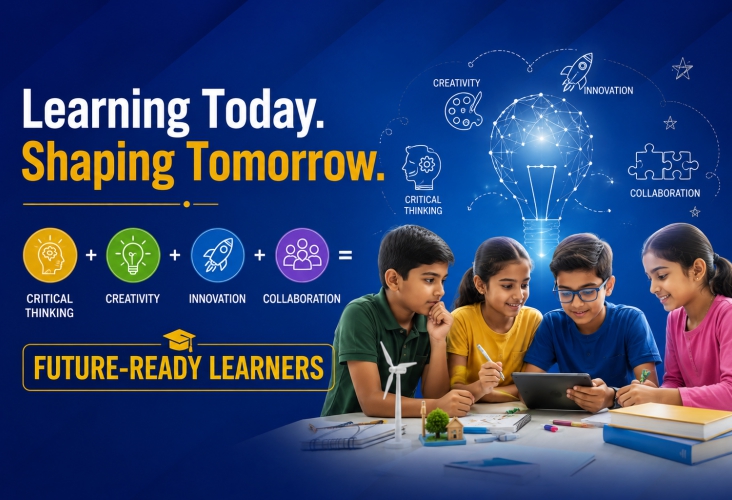
After Six Years of the launch, the National Education Policy has brought a fresh perspective and changed the direction of India’s Education system. From the role of rote memorisation to conceptual understanding and rigid academic structure to flexible learning pathways, the policy has created new opportunities for learners across different stages of education system.
Reforms are effectively visible in the schools and universities across the country. As implementation of policy continues, collaboration among policymakers, educators, technology providers and communities will remain essential aspect for expanding access to quality education and strengthening learning outcomes.
As India is aiming to become a global knowledge economy, Education should be viewed as a long-term investment in human capital in future and development.
India is continuing its journey towards becoming knowledge-driven economy that includes education as one of greatest strengths. The vision of National Education Policy 2020 provides a roadmap for developing future-ready system for nurturing critical thinking, creativity and innovation.
With continued innovation and collaboration across different education ecosystem, NEP 2020 has marked an essential step towards building a more inclusive, skilled and future-ready generation.
The National Education Policy is the comprehensive policy introduced by Government in year 2020 in India to transform school and higher education aligning with learning outcomes of the 21st century.
NEP 2020 transform direction of education by including 5+3+3+4 curricular structure that emphasises on foundational literacy with competency-based education and critical thinking. It focuses on multidisciplinary, vocational education with holistic development.
Technology plays crucial role in NEP 2020 as it encourages a shift from memorisation to conceptual learning with creativity and problem-solving aspect. This provides practical application to knowledge and learning. It helps in promoting technology and digital resources for supporting learning.
By focusing on creativity, critical thinking, problem-solving, digital learning and multidisciplinary education, NEP involves an aim to help students in developing knowledge and skills that are crucial for rapidly changing world.


