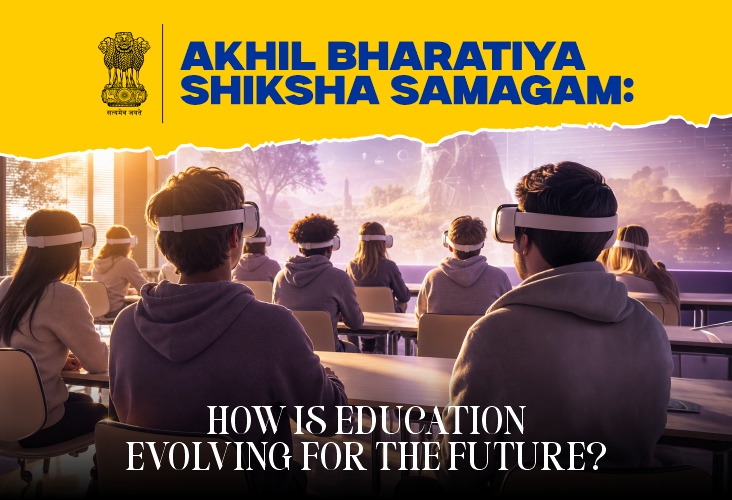
Akhil Bharatiya Shiksha Samagam: How is Education Evolving for the Future?


India records over 13,000 student suicides annually, accounting for about 8% of all suicides and rising 65% over the past decade.
The National Crime Records Bureau noted 13,892 cases in 2023, with Maharashtra leading at 1,834.
In Karnataka, 27 government school students died by suicide in the past three years, prompting concerns over young children in Classes 7-8.
Rajasthan saw a Class 4 girl's suicide in Jaipur's Neerja Modi School in November 2025 due to 18 months of bullying, leading to CBSE withdrawing affiliation in December 2025 and charges against school officials in February 2026.
Kota reported its first coaching student suicide of 2026 in January, a 17-year-old JEE aspirant.
All of these happened because of factors like toxic competition where students are unable to understand their value, ragging by the older students, financial stress of how parents have been spending so much money on them, and even institutional failures in addressing mental health.
The University Grants Commission issued new March 2026 guidelines mandating universities to integrate mental health support, counseling, wellness centers, and fitness programs.
The Supreme Court in January 2026 directed stronger mental health systems in higher education via Article 142.

These measures are been taken because incidents of student suicide in schools have raised serious concerns across the education system.
And schools are asked to be equally open and understanding towards the kids as their parents.
In all the above cases, there were different individuals and separate stories altogether. But these patterns all point towards a bigger reality:
Many students are struggling silently within school environments.
This blog is a detailed guide for principals, teachers, and educators on what to do when it comes to student suicide in Schools.
Student suicide is rarely because of just one factor that schools can look upon and lives can be saved. Though every individual has their separate stories and their own way of understanding their challenges, some general contributing challenges for student suicide in schools include:
Marks. Results. Report Cards. Students sometimes go through high performance expectations or what if they fail in exams or assessments. The overemphasis on marks over learning makes them feel that they are not capable of anything and sometimes this feeling can be so drastic that they end their lives.
If a child is going through a dull feeling or having suicidal thoughts, the worst that can happen is absence of trained counsellors. Most of the time, kids might not find it comfortable to share their concerns with their parents or teachers. So they have limited safe spaces for students to express concerns. And at various places even teachers are not trained to identify emotional distress.
The rigorous scope of punishments if students do not achieve good grades or do not top the class can instill fear in them. When educators scold them loudly or embarrass them in public, it can lead them in being shameful and increases the risk of other people bullying them leading them to think that only they are not capable enough.
If there is a weak connection between students and teachers or very limited collaboration between schools and parents then students end up feeling heavy with things happening in school without having anyone to share out with.

If educators can detect the early signs where there is a heavy difference seen in the performance of students that they stop a lot of mishaps from happening. So here are a few warning signs depressions, educators must be taught to reduce student suicide in schools:
To address this issue effectively, schools must adopt a system-level approach, not just reactive measures.
Teachers are the first line of observation.

The way schools approach learning today directly shapes how students experience it.
When classrooms become spaces of:
constant pressure
rigid expectations
and fear of failure
students don’t just struggle academically:
they struggle emotionally.
But when schools shift towards:
structured yet flexible learning
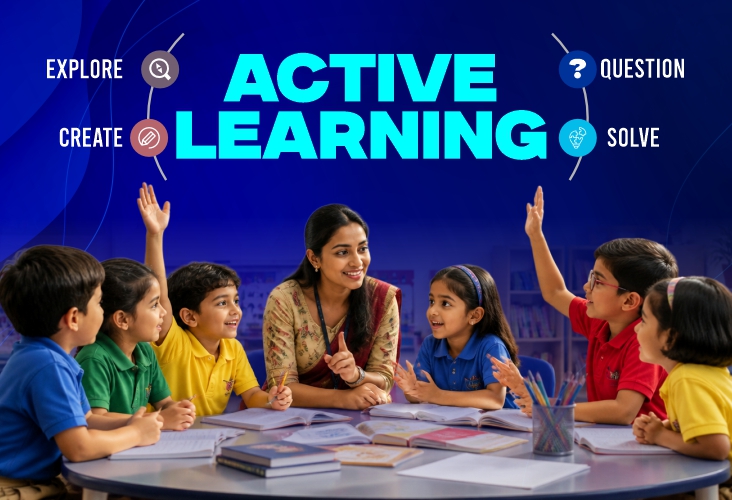
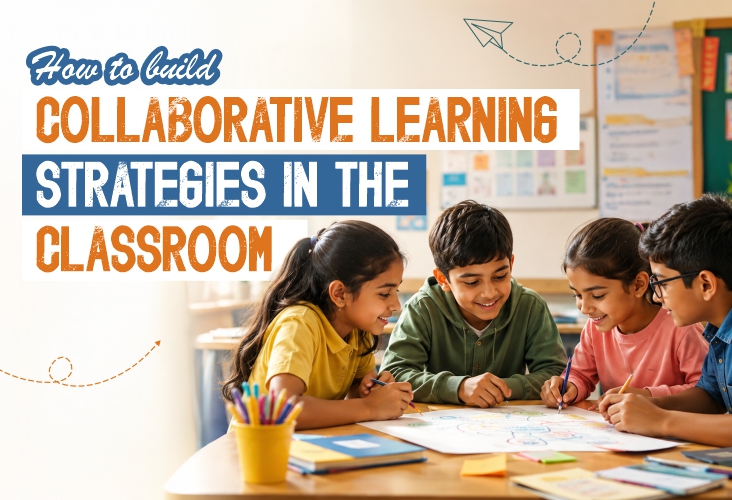
activity-based engagement
and student-centric approaches
the same classrooms can become spaces of confidence, curiosity, and growth.
Creating such an environment is not about one change.
It requires the right systems, the right resources, and the right approach working together.
That’s where thoughtfully designed learning ecosystems can support schools,
by making classrooms more engaging, structured, and aligned with how children actually learn.
Mittsure works with this vision:
supporting schools in moving from pressure-driven models to learning environments that encourage participation, understanding, and confidence.