Akhil Bharatiya Shiksha Samagam: How is Education Evolving for the Future?


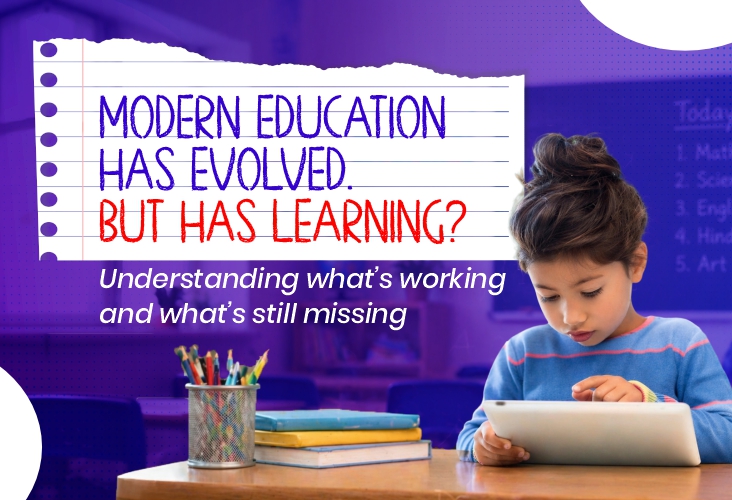
Indian Education is currently going through one of its biggest shifts in decades. From implementation of the National Education Policy to the introduction of AI and computational thinking in classrooms. The focus is no more on passing the exams. It is clearly moving towards preparing students for the future.
Today, schools are introducing skill-based learning, flexible course structures, technology-led classrooms, instead of focusing on completing the curriculum.
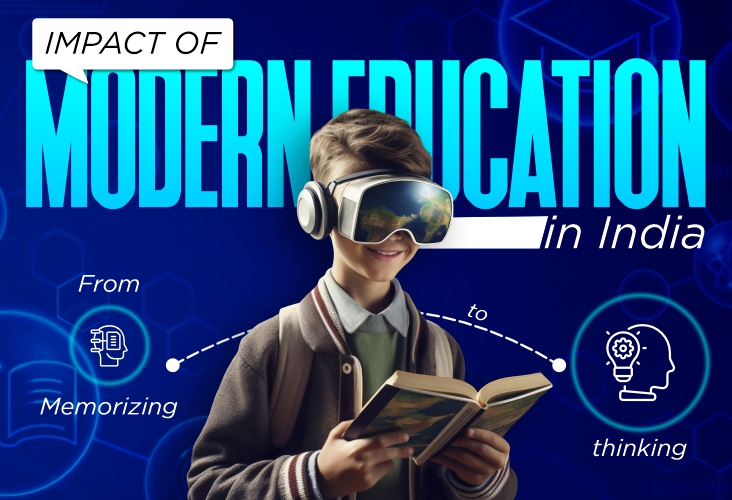
So the reforms now call for holistic development, multidisciplinary learning, and early focus on foundational skills. So all of this points to one clear shift: Education is no more about memorizing the content but building skills that students can use for the real world.
But here’s one real question we all need to ask!
If the system has evolved so much, why are students still struggling with applying what they learnt in real life?
This is where the conversations begin. The changes modern education has made, but also what it still misses.
The modern education system has brought a lot of good impact in the overall teaching process. It has changed the dimension of how teachers teach, how students grab information and knowledge, and how schools are becoming better in delivering results overall. So here are the overall advantages of the modern education system that has changed how Indian education works.
Initially, the access to quality education was limited by the location, the infrastructure, and the availability of good institutions around. But now, this gap is eventually reducing.
There are digital platforms, online classes, affordable learning resources, and even the government is taking initiative to update schools as per the current technologies. So students across cities, towns, and even remote areas can now access learning opportunities which were once out of reach because of location or unavailability of technology to support the resources. So education has become inclusive and widespread, giving students better options to learn and grow.
Technology is no more a suggestion that it should be a part of Indian education. It has already become one. A core part of how students prepare for their exams. From educational apps to even pages in social media. A student can access everything they need to study in one click.
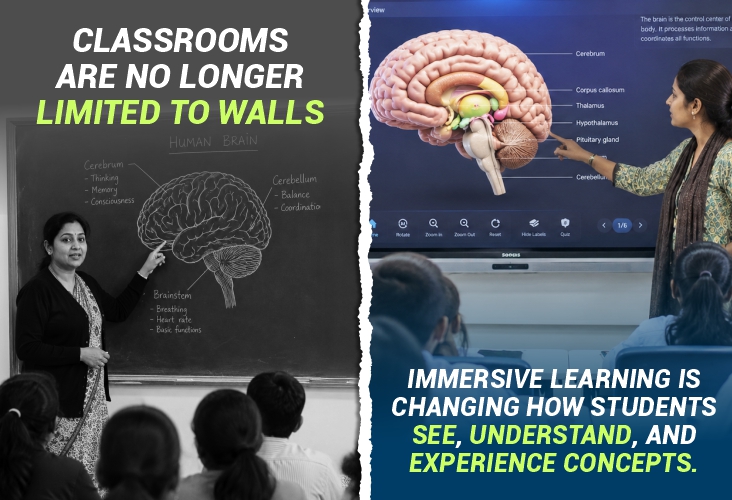
And not just the internet, there are smart boards, interactive apps, video-based explanations, and AI-assisted learning resources, which helps students visualize complex concepts easily, revisit topics anytime, and accordingly learn in their own space.
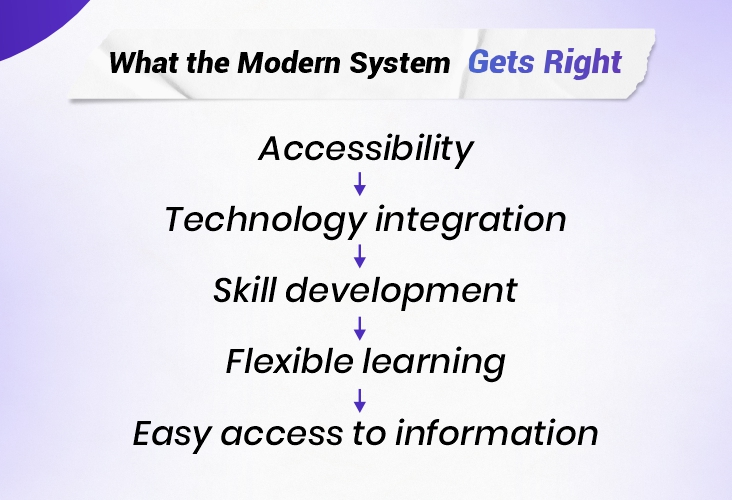
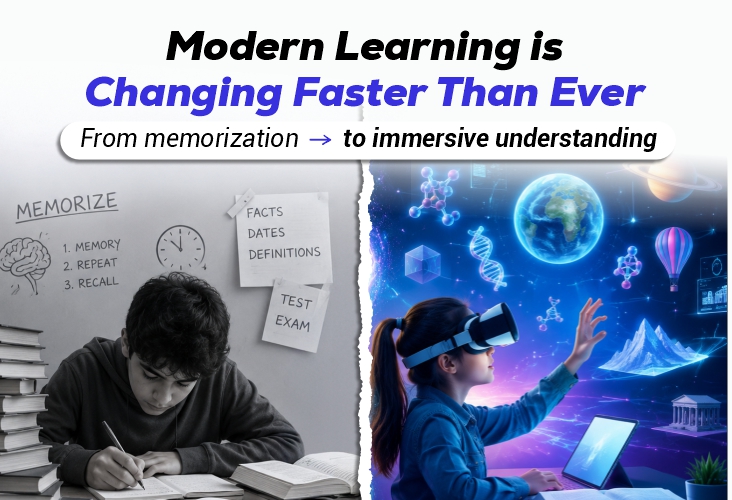
Modern education is mainly vital as it shifts the whole understanding of education from just being academic knowledge to skill-based learning. Modern education is helping students explore coding and computational skills, communication and presentation skills, logical reasoning, and analytical thinking. This way they are not just reading about knowledge but working on their core skills to shape it better.
Information is no longer only textbooks or classroom notes prepared during the lectures. Now textbooks are not read to memorize information and feed it in the minds but studied to understand the concepts in detail. With the internet widely accessible, students are able to explore multiple sources, understand the concepts in different ways, and even learn beyond the syllabus. This adds up to them being more curious while also building self learning better.
Every student learns differently and modern education acknowledges it. There are a variety of options for students to learn the same concepts from. If they find grabbing concepts visually easy, there’s visual content. Similarly, there are audio explanations, there’s practice-based platforms, and even interactive tools for them to not lose on the retention or focus.
This flexible learning has made learning more adaptable and personalized.
While everything that has benefits also come with demerits where some or the other things are compromised because of their uses in other aspects. Even the modern education system has its own set of disadvantages. Some major ones are:
Modern learning comes with a well-defined curriculum that ensures students across different schools can stay aligned and in a clear learning path synchronised. Though it provides consistency in what is taught throughout and has defined academic goals, there are its own share of demerits because of it.
Students have to learn at the same pace, follow the same methods and are also evaluated in the same way. While, in reality, every student learns differently and has their own pace of understanding the concepts.
So when learning is standardized, students who are struggling might feel left behind and the ones who are advanced learners might feel unchallenged.
Most of the students know definitions, formulas, concepts in depth, but if they face any new situations, twisted questions, or any real-life problems, they will struggle to apply what they’ve learned.
Mostly because modern education still focuses on “what to learn”, and not enough on “how to use it.”
Since there is increased dependence on digital resources, online content, and a structured delivery of concepts, the human element of learning eventually reduces. There’s less one-on-one attention, limited understanding of the needs of students individually, and even reduced mentorship.
So the modern education system makes learning more about content delivery and less about guidance and connection.
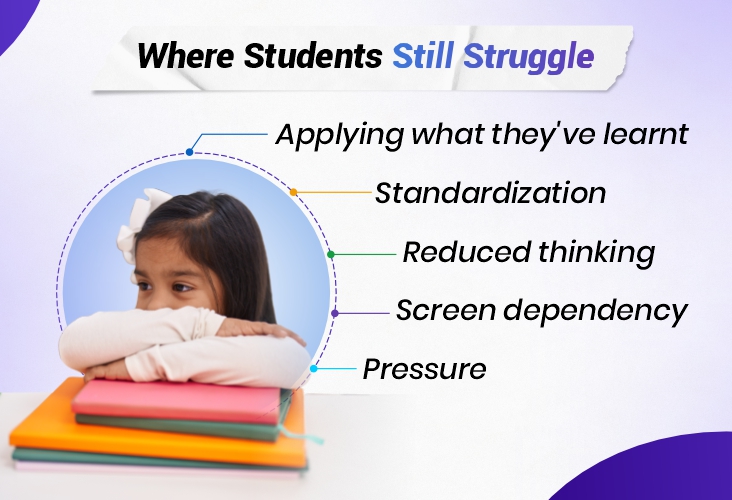
While the modern education system has improved access, the quality of education often comes at a price. There’s private schooling, ed-tech platforms, and additional coaching, so parents often have to invest significantly for better opportunities.
This ends up creating a gap because not all parents might be able to afford it. So students might get access to education all around but the equal quality does not.
While the modern education system has made learning easier, experiential, and immersive, but has also increased screen-based learning. Which makes students spend more time learning individually that reduces peer discussions, limiting the collaborative activities eventually.
This, in turn, affects communication skills, teamwork, and social confidence.
The modern education system has clearly evolved.
It has:
But as we’ve seen, it still struggles with:
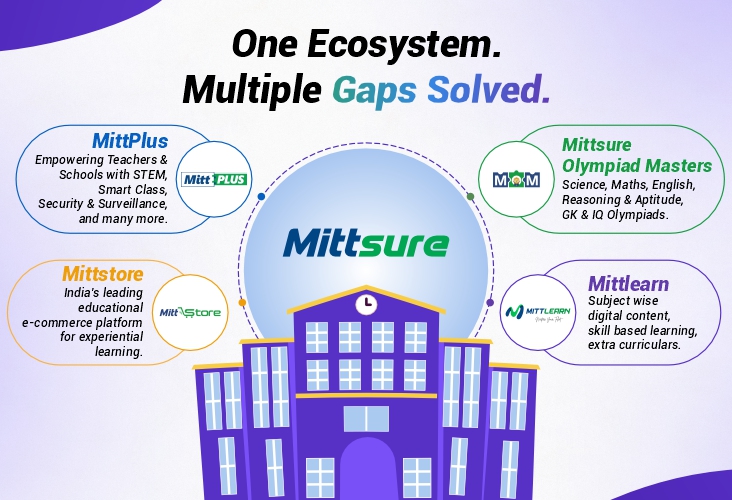
And that’s exactly where Mittsure builds its ecosystem. Mittsure makes modern education actually accessible in classrooms. It helps schools set up smart classroom management with access to interactive panels, audio systems, and digital resources. So schools are able to upgrade infrastructure in a cost-effective way.
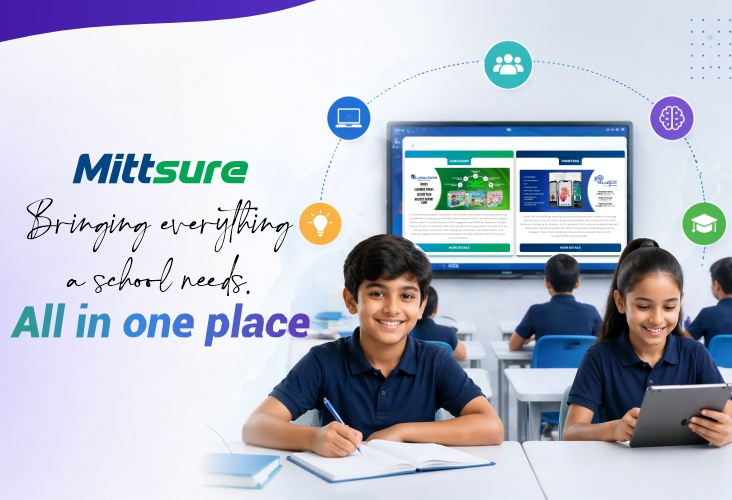
So this way schools get aligned with the modern education systems in India.
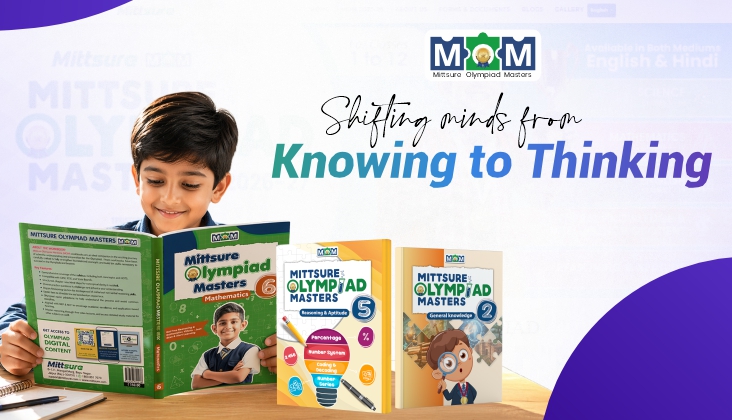
But to keep schools not suffer the major demerits of modern education systems, Mittsure Olympiad Masters helps schools bring Olympiad-level exposure to every student by focusing on logical reasoning, problem-solving ability, concept-application, and competitive thinking.
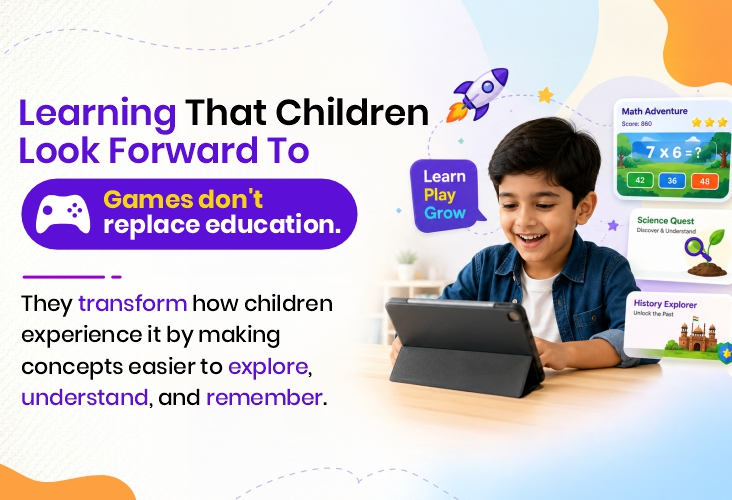
One gap in modern education is learning gets limited to screens and collaborative play gets sidelined. So with Mittstore - One stop shop for all educational needs, Mittsure bridges the gap for schools by offering educational games, puzzles, flashcards, activity kits, storytelling toys, and even hands-on materials.
All of it is designed to be play-based, interactive, and NEP-aligned, which helps in improving concept clarity, building curiosity, and encouraging experiential learning.
And beyond academics, there’s also Mittlearn which helps schools implement holistic development by offering skill-based courses; creative learning like music, art, dance; technology and future classroom skills like AI, robotics; life skills and personal development. It has flexible learning, structured programs, certification-based outcomes which ensures that students develop creativity, confidence, and real-world skills.
The modern education system is evolving but evolution alone is not enough.
What students truly need is:
Mittsure doesn’t replace what schools already provide.
It strengthens it by bringing together everything a student needs to move from learning → to understanding → to applying concepts.