Akhil Bharatiya Shiksha Samagam: How is Education Evolving for the Future?


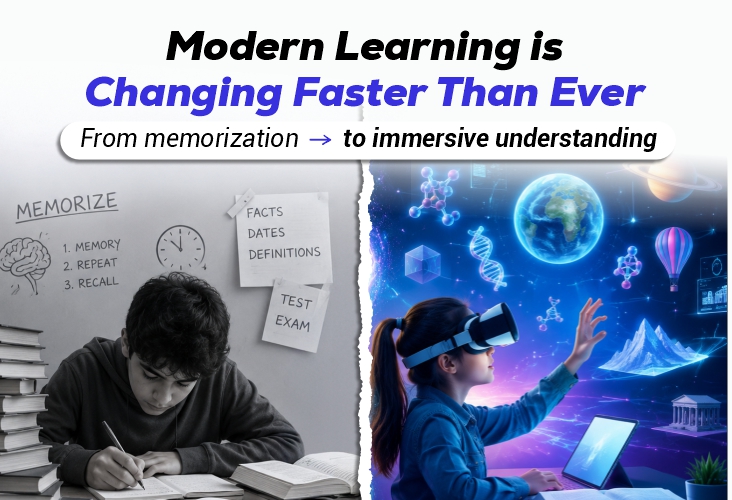
As per the OECD Trends Shaping Education 2025, education has been transforming with the presence of artificial intelligence, virtual reality, and other broad social factors. There’s also Innovative Pedagogy 2024 that highlights the changes in the teaching and assessment approaches, like generative AI learning, intelligent textbooks, etc.
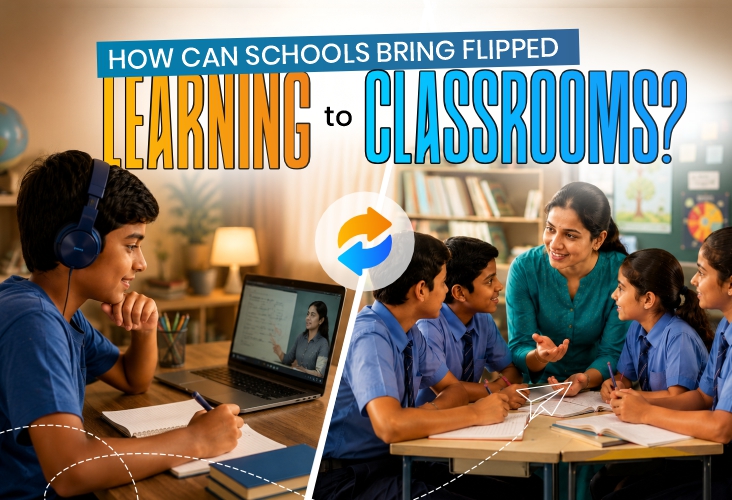
A study done in 2024 found that bringing flipped classrooms and project-based learning has statistically improved the outcomes in knowledge, skills, comprehension, if taught by bringing text, audio, and visuals together.
Even National Education Policy (NEP) 2020, has been driving the focus of education towards experiential learning, critical thinking, conceptual understanding, creativity, and application-based education.
Also, CBSE has increased the competency-based questions in board exams that focus on outcome oriented learning framework. Schools across India are now introducing smart classrooms, AR/VR learning, digital resources, and activity based learning into daily teaching practices.
And this is quite important, because students now have unlimited access to information. With artificial intelligence, questions can be answered instantly. Any concept students need is available online within seconds.
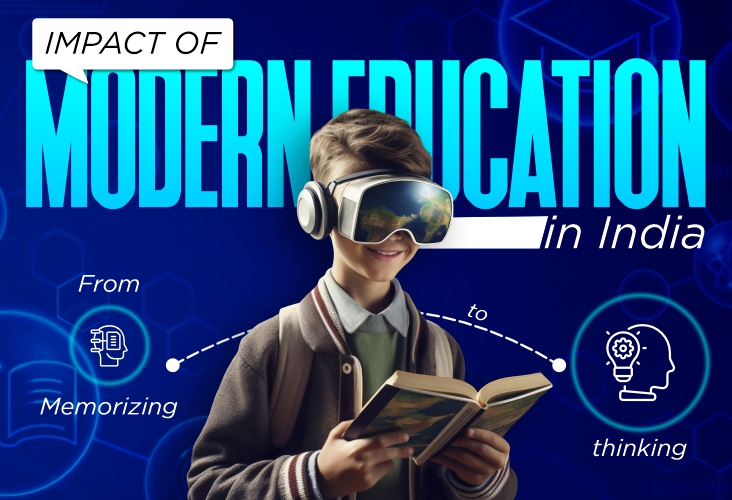
So now, education is no more just about memorizing knowledge from textbooks. They have to understand concepts and know how to apply those concepts in real life.
Teaching Learning Models are routined frameworks for teachers that guide how educators deliver content, improve student engagement, and support professional growth.
The Teaching Learning Model is a detailed guide to create effective learning environments as per all the educational objectives and the needs of the student.
Now the New Teaching Learning Models have evolved from the Traditional Teaching Learning Models. Where the focus was on lectures, memorizing information, assessments based on textbooks.
A conventional, lecture-based model, where the instructor acts as the primary source of knowledge. The traditional teaching learning model is a teacher-centric one, where information is actively transmitted to students where they become a passive recipient.
This makes them rely on rote memorizing, standardised textbooks, and written examinations.
The New Teaching Learning Model is the modern approach which shifts the process of how educators are trained, coached, and upskilled.
This is a shift from traditional and lecture based professional development to making study more visual, more interactive, more experiential, more personalized, and more skill-oriented.
So the teacher learning model is moving from teaching students what to learn to helping students understand how to think, apply, and solve.
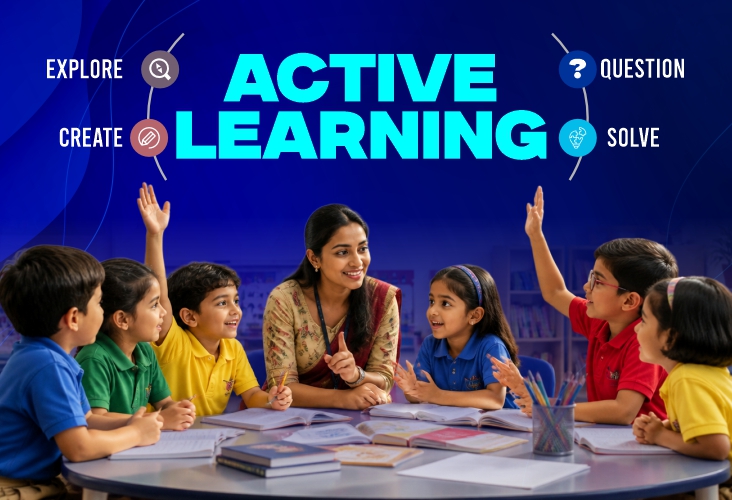
The major change that has happened in the modern educational method of teaching is shifting from passive learning to active participation.
Where children don’t sit and grasp the lectures and information shared with them, rather understand concepts, perform tasks, solving activities, experimenting with games to solve it better, and interacting with learning materials.
It’s a great method as children get to learn better naturally as they are involved completely in the process.
Especially during the early and primary years, when kids move, touch, feel, and interact with the educational toys, it helps in strengthening kids’ understanding as well as retention.
With MittStore, schools and parents can shop curated activity-based learning like educational toys, DIY learning kits, STEAM activities, Montessori materials, Indoor Outdoor Games, Sensory learning games, etc.
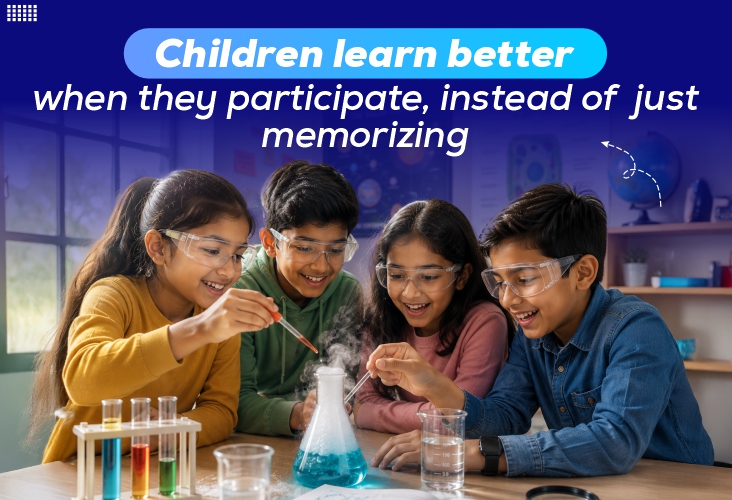
Learning done through experience is Experiential Learning. Instead of just reading through the books or hearing audios, students get involved in experimenting with the games, they observe concepts visually, they get to reflect on outcomes and apply the knowledge practically.
And the best part of experiential learning is students do not just rote learn classroom knowledge but understand it enough to also apply it in real life if they come across any challenges.
The main idea is to connect concepts with experiences.
The traditional teacher learning model had a gap where what kids were learning was different to what they were facing. This way education has shifted to be more learner centered and not just teacher centered.
Children participate actively rather than just listening passively.
Schools have been making this big adaptation by introducing ThinkTrail Books from Class 1-8. Introduced by Mittsure, ThinkTrail supports experiential learning through AR-enabled books, where videos are in 3D, and concepts have an interactive learning, which gives students an immersive educational experience.
So instead of imagining the concepts while reading through it, students actually interact visually, which makes their learning more engaging and it makes things easier to understand.
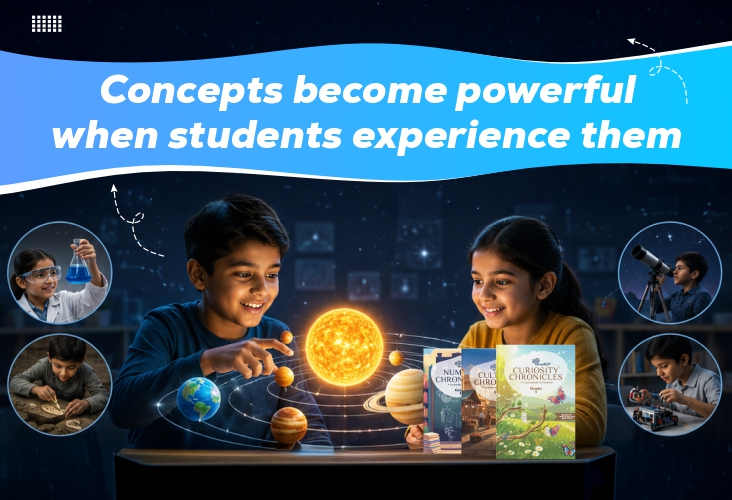
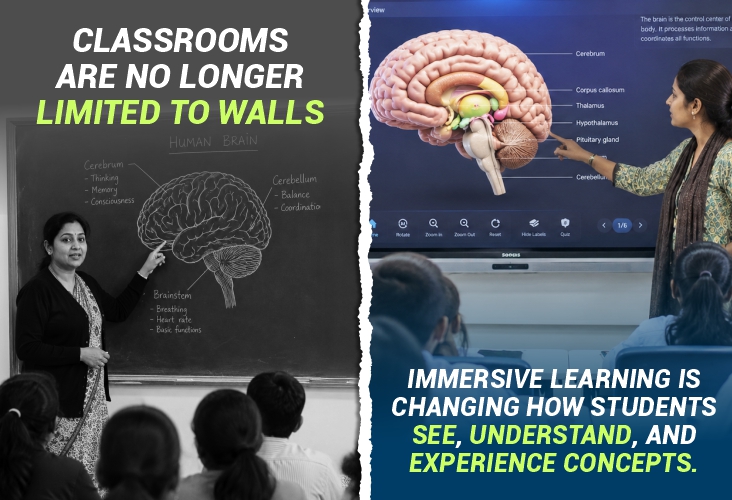
What once was imagined, drawn on the board, or explained through pictures, have shifted completely.
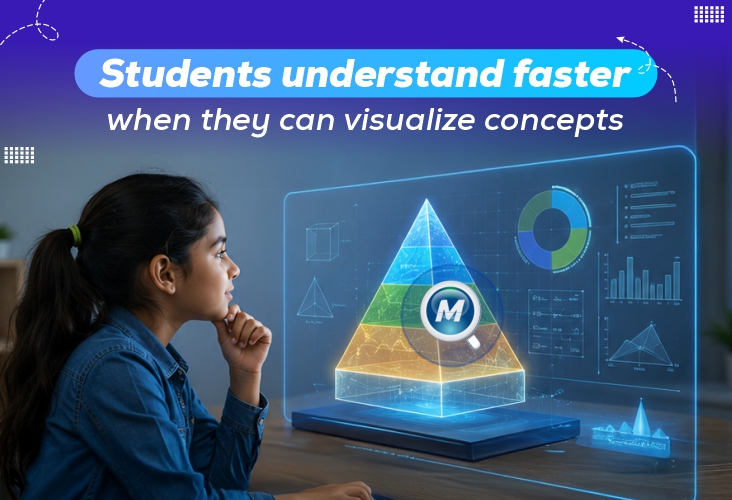
There’s animations, smart boards, interactive panels, AR/VR Technology, Simulations, infographics, and 3D Models, all making difficult concepts easier to understand.
There are so many concepts like how the planet moves or the solar system works, what is human anatomy, the molecular structures, geometry, scientific reactions and so many more topics that are learnt best when visualized.
With visual learning, students reduce their passive learning habit as they see more, think better, and question smarter, ultimately enhancing their curiosity.
When children engage in immersive learning they combine their visual, sensory, and auditory experiences that improves their overall learning quality.
This often leads to students having higher attention, sharper memory, and better participation in team collaborations.
So ThinkTrail by Mittsure helps schools add visual and immersive learning in their curriculum smoothly.
There’s also Mittsure Lens where kids simply scan a photo, topic, word, or search it and accordingly watch concepts in 3D.
For schools to build smart classrooms effortlessly, Mittsure has Mittplus that brings Smart learning integration and interactive digital learning.
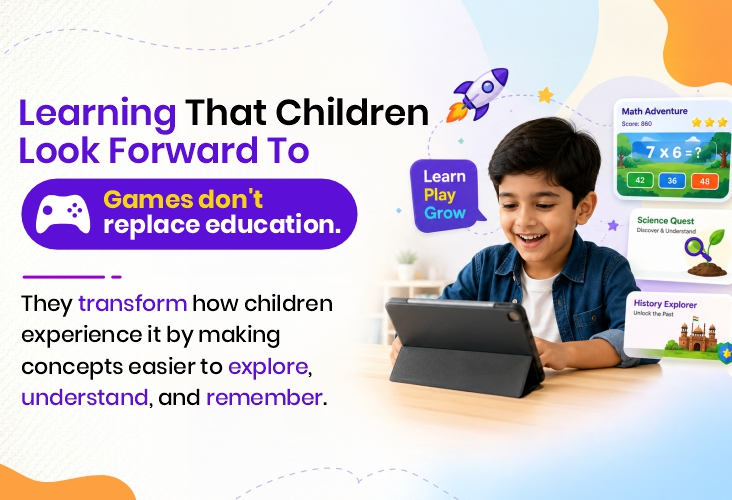
When there’s play, competition, rewards, challenges, and interactive participation, into the learning process, one can imagine how much fun kids are going to have.
The major block in traditional learning is that knowledge ends up becoming repetitive, boring, and stressful for children.
Gamified learning becomes enjoyable for kids while still being educational. So it ends up improving motivation, engagement, participation, attention, and memory retention.
It is one of the most preferred types of learning for preschool learning, primary education, logical reasoning development, among other improvements.
At Mittsure, we have curated educational games and activity-based products live on Mittstore, where schools and parents can buy kids educational toys online.
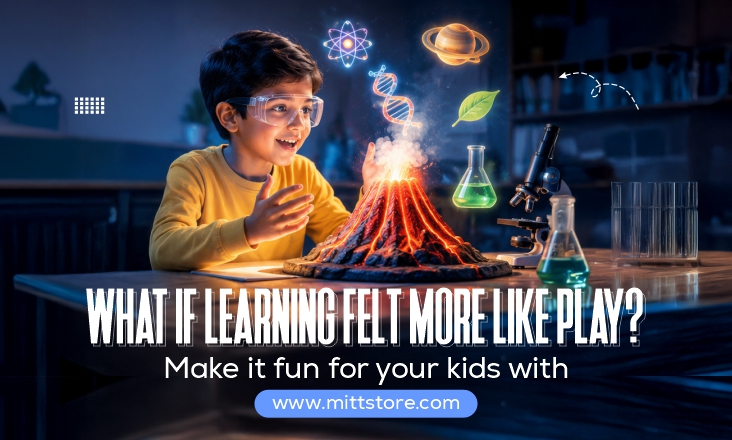
There are more new shifts like personalized learning, collaborative learning, competency-based learning, flipped classroom, project-based learning, blended learning, inquiry-based learning, self-learning, AI based learning, which we will be discussing in our next blogs. So stay tuned!
But in all this, the intent is to see that all the types of learning are correlated with each other.
All types of learning are somewhere connected so activity based is closely related to project-based.
Even Gamified learning is closely related to activity based learning.
And this is what Mittsure aims to strive for! Build an educational ecosystem that makes schools aligned with NEP, NCF, CBSE, and more, making them provide the best of the experience to students.
The future is evolving into a different world altogether where students need critical thinking, problem-solving, creativity, and other motor skills for which traditional rote learning isn’t enough.
Experiential learning is learning from experiences and that helps students grasp concepts better as they learn from the practical experience rather than just imagining theory and making their understanding of the real world better.
When kids learn through visual learning, it simplifies the difficult concepts as they see the concepts through animations, 3D models, AR/VR, and smart teaching resources.
This makes it easier for them to understand the concepts while adding interest to students since they watch such exciting concepts.
Learning that is as per the comfort pace of students is beneficial for students.
Personalized learning gives students flexibility as per the child’s pace, strengths, and learning style, that ultimately improves their confidence and understanding.